
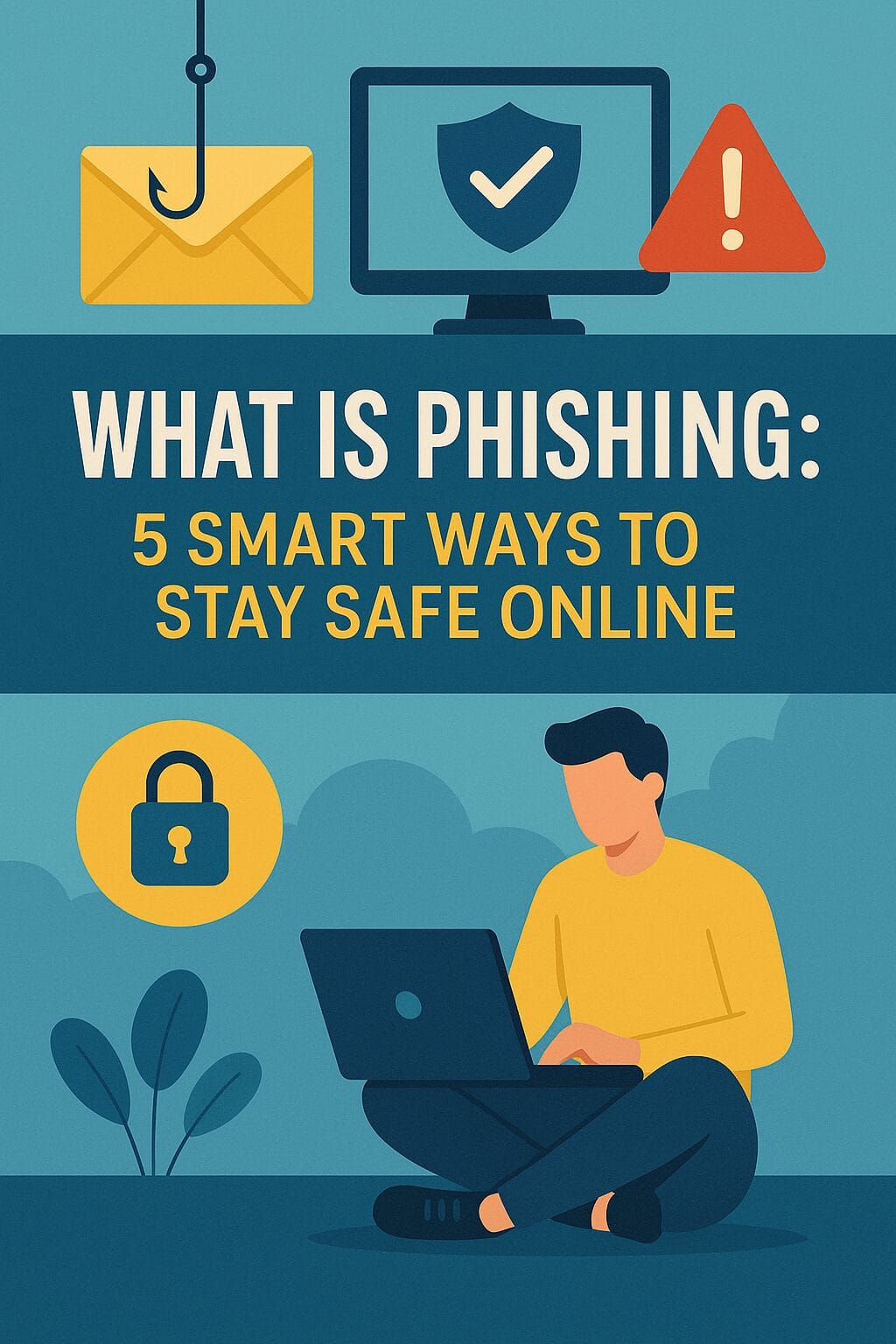
What is phishing? It’s one of the most dangerous and widespread online scams, where cybercriminals trick people into giving away personal information — like passwords, banking details, or credit card numbers. By learning what is phishing and understanding how it works, you can protect yourself from identity theft and financial loss in the digital age.
1. Phishing Explained in Simple Terms
At its core, what is phishing refers to the act of “fishing” for information — except instead of using bait to catch fish, scammers use fake messages to “catch” victims. These deceptive emails, texts, or social media messages are designed to look legitimate, often pretending to come from trusted sources like your bank, a government agency, or an online store. The goal is simple: to make you click, log in, or share personal data without realizing it.
Phishing attacks can also occur through phone calls (“vishing”) or even through QR codes (“quishing”). No matter the form, the trick lies in manipulating human psychology — fear, urgency, or curiosity — to bypass your better judgment. Knowing what is phishing allows you to spot these manipulation tactics before they catch you off guard.
2. Recognize Suspicious Emails and Messages
Phishing emails and text messages often use alarming or urgent language to push you into action. Watch out for these warning signs:
- Messages claiming your account is locked or compromised.
- Unfamiliar or misspelled sender addresses, such as “supp0rt@paypa1.com”.
- Requests for login credentials or payment details via links.
- Unexpected attachments that could contain malware.
- Grammar mistakes or awkward phrasing in supposedly official messages.
When you understand what is phishing, you’ll recognize that real organizations rarely ask for sensitive information via email or text — and legitimate businesses never threaten you into taking action immediately.
3. Check URLs and Website Authenticity
Phishing sites are often clones of legitimate websites but have slight variations in their URLs. For instance, a fake PayPal site might use “paypa1.com” instead of “paypal.com”. Before you enter any details, check that:
- The website starts with
https://(the “s” means secure). - The domain name exactly matches the company’s official site.
- There’s a padlock icon in your browser’s address bar.
Always type website URLs manually instead of clicking on links in emails or text messages. Understanding what is phishing means being vigilant about where your clicks lead.
4. Don’t Share Personal Information via Email or Text
One of the most effective ways to prevent phishing is to refuse to share personal information through unverified channels. No reputable organization will ask for your password, credit card number, or verification code via email. If you receive such a request, consider it an immediate red flag.
Forward suspicious emails to your email provider’s phishing report system or delete them right away. Staying alert to what is phishing gives you the upper hand in protecting your privacy and financial safety.
5. Use Security Tools and Two-Factor Authentication
Cybersecurity tools are your digital armor against phishing. Use a combination of:
- Anti-phishing browser extensions: These warn you about unsafe sites before you visit them.
- Updated antivirus software: Prevents infected attachments or downloads from executing.
- Two-factor authentication (2FA): Even if a scammer gets your password, 2FA adds an extra layer of protection.
Knowing what is phishing is just step one — combining knowledge with practical tools makes your defenses nearly bulletproof.
Why Phishing Works — and How to Outsmart It
Phishing works because it preys on emotion. When you receive a message that feels urgent or threatening, your brain reacts faster than it thinks. Scammers rely on that split-second panic. The best strategy is to slow down. Pause, breathe, and ask yourself: “Is this request logical?” The more you understand what is phishing, the easier it becomes to spot emotional manipulation tactics and stay in control.
What to Do If You Fall for a Phishing Scam
If you’ve already clicked a suspicious link or entered information into a fake website, don’t panic — but act quickly:
- Immediately change your password on all affected accounts.
- Enable two-factor authentication to prevent unauthorized access.
- Contact your bank or service provider and explain what happened.
- Run a malware scan on your computer or smartphone.
- Report the incident to your local cybercrime center or the FTC.
Being proactive is key. Once you know what is phishing, you can minimize the damage and prevent future attacks.
FAQ
What is phishing in simple terms?
Phishing is a scam where attackers pretend to be legitimate companies or people to trick you into giving away sensitive information through fake emails, messages, or websites.
Can phishing happen through social media?
Yes. Cybercriminals often use fake accounts or links in direct messages to target users on platforms like Facebook, Instagram, or X (formerly Twitter).
Is clicking a phishing link enough to get hacked?
Not always, but it can expose your device to malware or lead you to a fake login page. Close the page immediately, change your passwords, and scan your device for threats.
How can I report phishing emails?
Most email services let you click “Report phishing.” You can also forward phishing emails to reportphishing@apwg.org or report them to your bank’s fraud department.
Related: For a complete overview of staying protected online, read our Ultimate Online Safety Guide 2025.
Helpful Resources
- FTC — How to Recognize and Avoid Phishing Scams
- CISA — Cybersecurity Best Practices
- Google Support — Report Phishing Emails
Explore More on AnswerNimbus
Want to improve your digital safety even further? Read more guides in our Tech Help section or explore everyday solutions in How-To & Fixes.

AnswerNimbus publishes practical how-tos, definitions, and tech help for everyday users.
2 thoughts on “What Is Phishing: 5 Smart Ways to Spot and Stop Online Scams”